Loading...
Serving Rocky Hill, CT and surrounding areas. (860) 730-0845
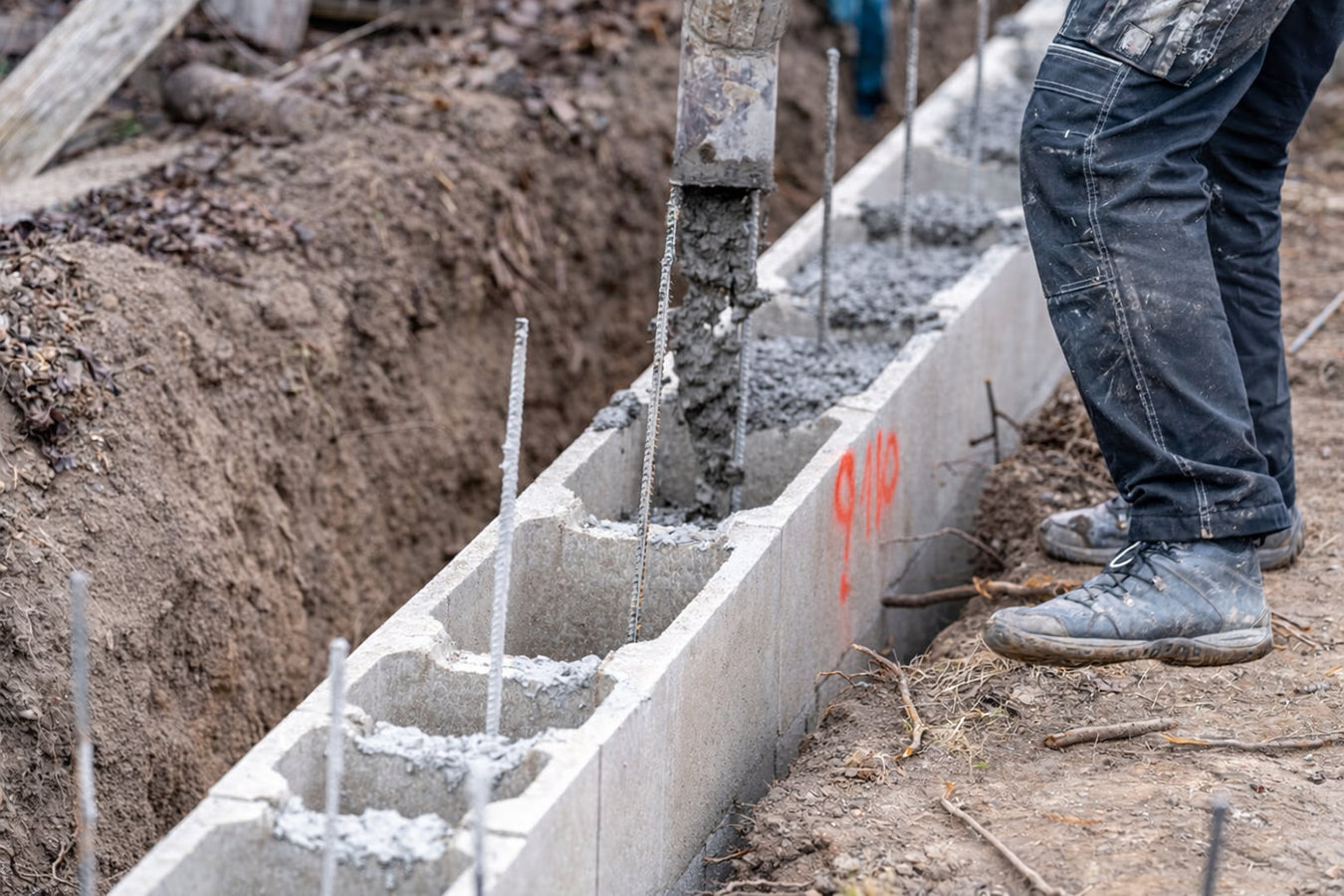
A foundation that keeps sinking will keep causing damage. We identify what moved, lift it back to level, and address the drainage conditions that caused the problem in the first place.
Foundation raising in Rocky Hill is the process of stabilizing and lifting a home whose foundation has sunk or shifted, using steel or helical piers driven to stable ground below the problem soil - most residential jobs take one to three days of active work, not counting the permit and inspection window.
Rocky Hill homeowners typically call us after noticing doors and windows that no longer close right, cracks in basement walls, or floors that feel noticeably uneven from one side of a room to the other. Hartford County's freeze-thaw winters put steady pressure on foundations year after year, and the soils near the Connecticut River add another layer of complexity - sandy deposits that can shift under load, or clay-rich soils that swell wet and shrink dry. If your home was built between the 1950s and 1970s, the original construction standards may not have anticipated decades of that kind of soil movement. A related service many homeowners combine with foundation raising is slab foundation building, particularly when an older section of the home needs both lifting and a new concrete base below it.
Every assessment starts with a free on-site visit. We measure how far the foundation has moved, look at the drainage around the home, and give you a plain-language explanation of what we found before we talk about cost or timeline.
If a door that used to swing freely now drags on the floor, or a window that opened easily now jams, that often means the frame around it has shifted. Foundations that have settled unevenly cause the whole structure above to rack slightly out of square. In Rocky Hill, this symptom commonly appears in late winter or early spring after the ground has gone through multiple freeze-thaw cycles.
Horizontal cracks in a basement wall are a serious warning sign - they suggest the wall is being pushed inward by soil pressure. Stair-step cracks running diagonally through block or brick are also a red flag. If you can fit a quarter into a crack, it is worth having a professional look at it before the next winter makes it worse.
Walk slowly through your first floor and pay attention to whether it feels level. If one side of a room feels lower than the other, or if there is a soft or springy spot underfoot, the foundation beneath that area may have dropped. This is especially common in older Rocky Hill homes built on the sandy glacial soils near the Connecticut River, where the ground can shift more readily over time.
Rocky Hill's wet springs mean a lot of water moves through yards between March and May. If water sits against your foundation wall after a rainstorm rather than draining away, that is both a drainage problem and a warning that your foundation is being exposed to the exact conditions that accelerate settlement. Left unaddressed, this pattern will make any existing movement worse.
We handle foundation raising using steel push piers and helical pier systems, choosing the method based on your soil conditions, how far the foundation has moved, and how accessible the work area is around your home. Both systems transfer the weight of the structure past the unstable surface soil down to something solid - bedrock or dense load-bearing material below the frost line. We excavate small targeted areas around the foundation perimeter rather than digging up the entire yard, and we backfill and grade everything when the work is complete. For situations where the foundation itself needs to be replaced or built new alongside the repair, concrete cutting is a related service we coordinate to remove damaged slab sections cleanly before the lifting work begins.
We manage the Rocky Hill Building Department permit application from start to finish, coordinate the required town inspection, and walk you through what to watch for after the job is closed. The National Foundation Repair Association sets the professional standards our pier work is built to. Every project includes a written explanation of what caused the settlement and what drainage or grading corrections will help protect the repair going forward.
Best suited for homes with moderate to severe settlement where deep stable soil or bedrock is accessible - piers are hydraulically driven until they reach resistance, then used to lift the foundation.
Suits properties with softer soils or limited access - helical piers are screwed into the ground and can be installed with lighter equipment, making them a practical choice for tighter work areas.
Fits homes where water management around the foundation is contributing to settlement - addressing grade slope and downspout extensions to direct water away from the foundation perimeter.
For homeowners who need a documented record of the repair - including permit closeout and warranty paperwork - particularly useful if you plan to sell the home in the coming years.
Rocky Hill sits in Hartford County, where winters regularly cycle above and below freezing multiple times between November and March. Every freeze-thaw cycle causes the soil to expand and contract, and that movement is one of the main reasons foundations in this area gradually lose their position over the years. The Connecticut River valley soils add another variable - some neighborhoods have sandy, loose glacial deposits near the river that drain quickly but can compress or wash away under load, while other areas have heavier clay soils that hold water and swell seasonally. Knowing which soil type sits under your home matters for choosing the right repair method and determining how deep the piers need to go. Homeowners in Cromwell deal with similar Connecticut River valley soil patterns and the same freeze-thaw stress on older foundations.
A significant portion of Rocky Hill homes were built between the 1950s and 1970s, when construction standards and drainage practices were different from today. Many of these homes have older concrete block or poured concrete foundations that were not designed with modern waterproofing or drainage systems. If your home is in this age range, even a foundation that looks stable can benefit from a proactive assessment - especially if you notice any of the warning signs above. Homeowners in Glastonbury face the same mid-century housing stock challenges across the river, and we handle foundation raising work in both communities. Rocky Hill also requires a building permit for all structural foundation repairs, which means the work must be inspected and documented - protecting your investment if you ever decide to sell.
When you reach out, we ask what you have noticed, how long it has been happening, and whether any previous foundation work has been done. We respond to all inquiries within one business day and schedule a free on-site assessment - you do not need to prepare anything for the visit.
A specialist walks your property, inspects your basement or crawl space, and measures how far the foundation has moved. We look at drainage patterns and soil conditions and give you a clear explanation of what we found - including why it moved - before we talk price.
We submit the permit application to the Rocky Hill Building Department on your behalf - typically approved within a few business days to a couple of weeks. We handle all paperwork and coordinate the inspection timing so you do not have to deal with town hall.
The crew excavates small areas around the foundation, installs the pier system, and carefully raises the foundation to the target height - usually one to three days. After the town inspector signs off, we backfill, grade, and clean up the site completely.
We come out, assess the situation, and give you straight answers - no sales pressure, no obligation.
(860) 730-0845The Rocky Hill Building Department requires a permit and inspection for all structural foundation repairs. We submit the application, coordinate the inspector visit, and close out the permit so you have proper documentation. That paper trail protects you whether you stay in the home for decades or sell it next year.
A pier system that lifts your foundation without addressing the drainage or soil conditions that caused the settlement is a temporary fix. We assess what drove the movement and include drainage correction recommendations as part of every project. The goal is a repair that holds through many more Connecticut winters, not just one.
Rocky Hill's Connecticut River valley soils vary significantly across different parts of town - sandy glacial deposits near the river behave differently than the clay-rich soils further inland. We assess your actual site conditions before choosing a pier method or quoting a depth, because the right approach for one neighborhood is not always right for another.
Many Rocky Hill homeowners worry that foundation repair will flag issues for future buyers. Done right and properly permitted, it does the opposite - a transferable warranty and closed building permit tell a buyer that a licensed professional fixed the problem and a town inspector confirmed it. The International Association of Certified Home Inspectors recognizes permitted foundation repair as a positive disclosure, not a liability.
Every one of these proof points comes down to the same thing: we treat foundation raising as a structural problem that needs a real solution, not a sales opportunity. Rocky Hill homeowners who call us get a contractor who shows up, tells them what they found, and builds a repair that lasts.
Precision saw cutting to remove damaged slab sections cleanly before foundation repairs begin or to create openings for drainage systems.
Learn MoreNew concrete slab foundations for additions, garages, and outbuildings - often combined with raising work on adjacent structures.
Learn MoreRocky Hill's freeze-thaw season starts earlier than most homeowners expect - getting your assessment scheduled now means you know exactly what needs to be done before the ground freezes again.